
The debate between Jullian Baggini and Lawrence Kraus is here, in the Guardian. Baggini complains about scientific “mission creep” to Kraus: Those theoretical physicists will soon be explaining the dynamics of social organizations such as cities! Oh…wait, they already are.
The new normal….
It’s eleven years after that crisp Fall day when fear suddenly became part of of the American psyche. This morning, on the eve of the anniversary, the weather is eerily similar to that morning. But after a decade, there is a new normal to living inside the Washington Beltway. The startle response that used to accompany an unexpected low-flying aircraft in one’s peripheral vison is largely gone. The armed camp atmospherics around the Pentagon are a thing of the past. The jersey barriers have become bollards or planters. While the giant flags are out this morning covering Rossyln’s high-rise tower blocks, they aren’t a ubiquitous feature of our town anymore.
Even in New York, the skyline has become rebalanced with the topping-out of WTC 1 down by the Battery.
In short, the national trauma of 9/11 has eased and the country is in the process of turning the page. The current worries of fiscal cliff, national debt and dysfunctional politics are of an altogether different character from the affliction that began early in the previous decade. So perhaps this is…the new normal.
It couldn’t be more welcome.
Singapore’s Prime Minister on the US…
The NYT report is here. Should we take as RESULTS or DISCUSSION?
Rising Son?
The Economist profiles the mayor of Osaka in a worrying way, here. I’m not sure we should want that kind of a resurgence in Japan.
Undergraduate research at the Krasnow Institute….
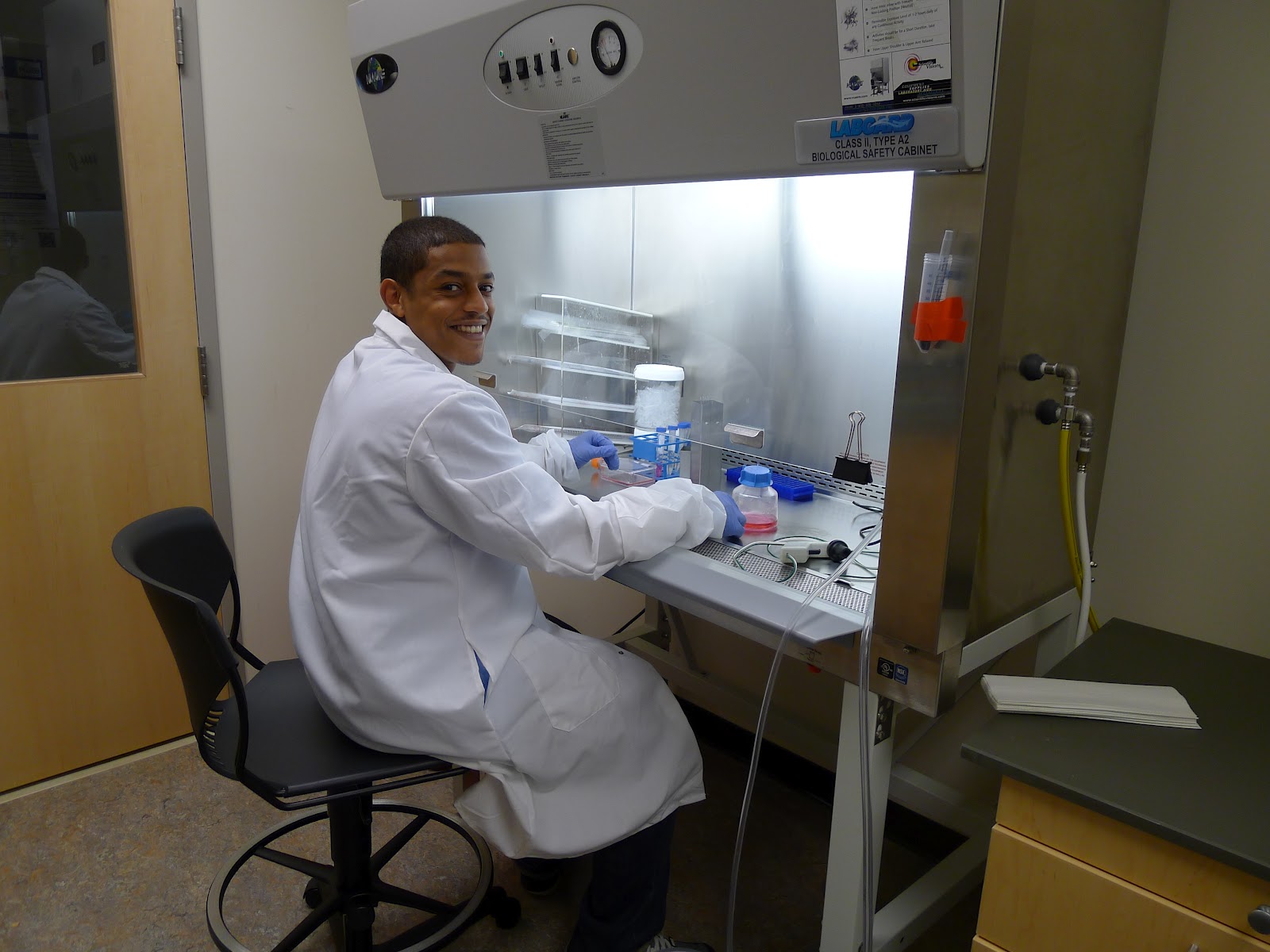
I’ve written a lot about our doctoral students and postdoctoral fellows. What readers of Advanced Studies may not know is that the Institute is filled with George Mason undergraduates also.
The undergraduate research experience at Krasnow usually involves intense laboratory bench work, collaborating with fellow students and especially frequent one-on-one interactions with our faculty members. It’s one of the great ways that the Institute supports the Students as Scholars programs here at Mason.
If you are a George Mason undergraduate student and you are interested in the possibility of having an experience like this, as part of your college experience, just drop me a line and we’ll see what might work.
Marginal Revolution University
From Tyler Cowen and company here. The first course will be on Development Economics. I’m looking very much forward to seeing what develops.
Hacking your stuff with consumer-grade EEG…
Apparently those fancy consumer-electronic EEG machines can be used for more than enhancing your personal growth….the report is here, hat tip to Bruce Schneier.
This brings up the larger question of how society will respond to the Makerization of Brain-Machine interfaces. Looking for analogies, the availability of consumer genomics seems to be going pretty well–although what happens when garage-lab DYI-types start trying to produce their own GM-crops remains to be seen!
Health Crisis in Singapore! Compare to your own experience….
Back from Renaissance Weekend….
 |
| Aspen Meadows Resort |
That’s the home of the Aspen Institute, yesterday morning after the last panel session for Renaissance Weekend. I was incredibly impressed with the intelligence and kindness of my fellow attendees– the weekend was an invigorating way to mark the end of Summer.
My own synthesis of the weekend is that we (our society) face unprecedented changes ahead. How intelligently we manage those changes will, to a significant extent, determine our futures. And to get ourselves on a smart trajectory–it’s becoming increasingly clear that listening seriously to other points of view than one’s own will be critical.
A note on the photo: it was taken with an iPhone 4 without any filters or image processing. It’s both a tribute to the beauty of the Rocky Mountain skies and to the convergent technologies which are now embedded into our smartphones.
Economics in Crisis?
Howard Davies was head of the London School of Economics. Here’s his call to action. A note that Soros’ Institute for New Economic Thinking is supporting the work of Krasnow’s own Rob Axtell.

