
Newly discovered fresh water reserves under the continental shelves, story here.
The discovery has the potential to be quite significant since fresh water is both an absolute requirement for human life and, to this point, limited in supply.
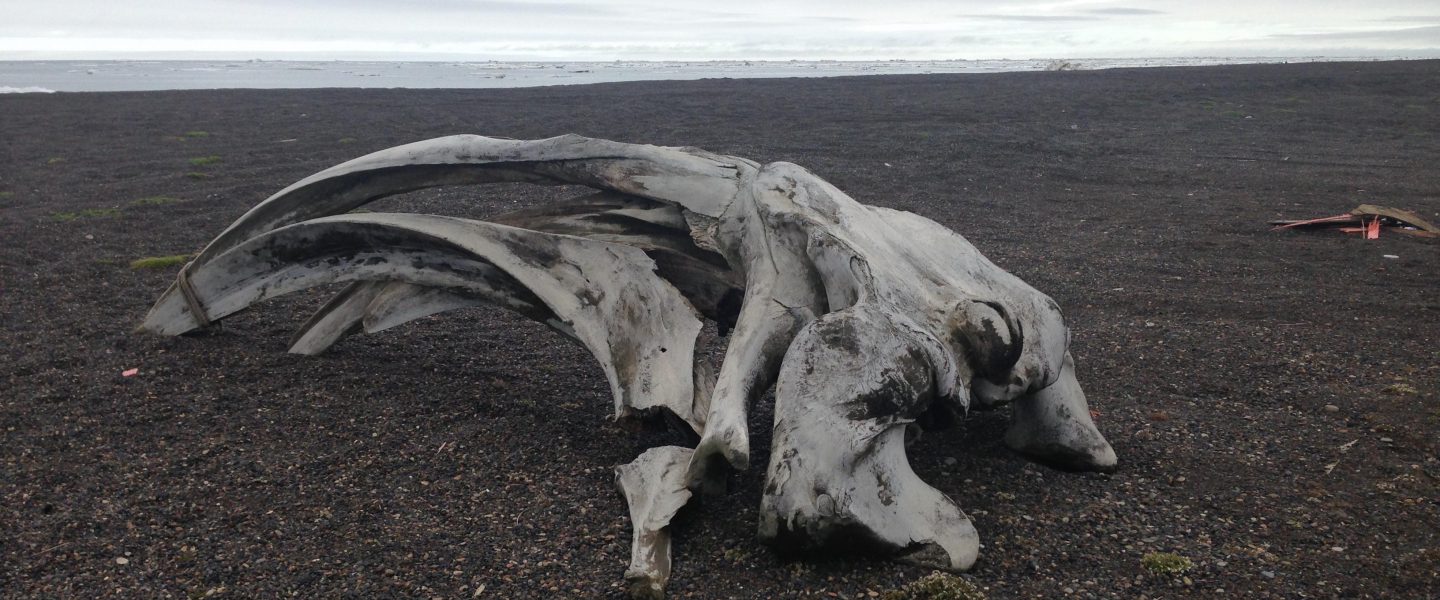
Newly discovered fresh water reserves under the continental shelves, story here.
The discovery has the potential to be quite significant since fresh water is both an absolute requirement for human life and, to this point, limited in supply.
I’ll be in Madrid this week where I’ll be attending a conference on potential future human trajectories stemming from advances in both life sciences and information technology. Which brings up the subject of my friend Steve Kotler’s new book, The Rise of Superman–it’ll be out in March. I’ve read the draft manuscript, it’s very good.
Josh Siegle and Jakob Voigts are two MIT neuroscience grad students on a mission. I discovered their project, Open Ephys over the weekend here. Looks like a way to make junior faculty start up packages go a lot farther…
Readers know I’m impressed with Elon Musk and his various projects. Taking on the big public utilities seems like the appropriate next step. Story here. Should set him up well for Space Solar.
From this week’s Nature, an excellent primer for decision-makers everywhere, here. For loyal readers who are not scientists but are interested in science, it’s a must.
http://c.brightcove.com/services/viewer/federated_f9?isVid=1
The story is here and it’s actually quite exciting. The key is VASMIR. Money quote:
Engine work has been underway for more than 25 years, and is based on NASA and U.S. Department of Energy research and development in plasma physics and space propulsion technology. Commercializing the VASIMR electric propulsion engine is the flagship project of Ad Astra, which has been in business for nine years and has invested $30 million to date to mature the concept. [Superfast Propulsion Concepts (Images)]
The driver for this engine is electric power which could be generated either by solar or a nuclear reactor. First practical application may well be the periodic boosts of the International Space Station required to maintain its low-earth orbit.
From yesterday’s NYT, here. Money quote:
But on May 17, 2010, agents from the Georgia Bureau of Investigation, wearing bulletproof vests, raided his university offices. A parallel scene played out at Dr. Laskar’s home, where his wife, Devi Laskar, found armed agents in her driveway. While agents went through the house and confiscated files and computer equipment, she went to a coffee shop to call a lawyer.
An excellent article on Joy Laskar, former professor and entrepreneur. And the strange tripping hazard that ended his career at Georgia Tech…
Zeke Emanuel’s excellent opinion piece in today’s NYT is here. He’s bumping up against some powerful special interests, but I agree with him in this case. The point is that the scan is not really diagnostic in any “for sure” sense and more to the point, there’s no cure right now for Alzheimer’s.
 Discoverers and Discoveries