More art at the Institute….

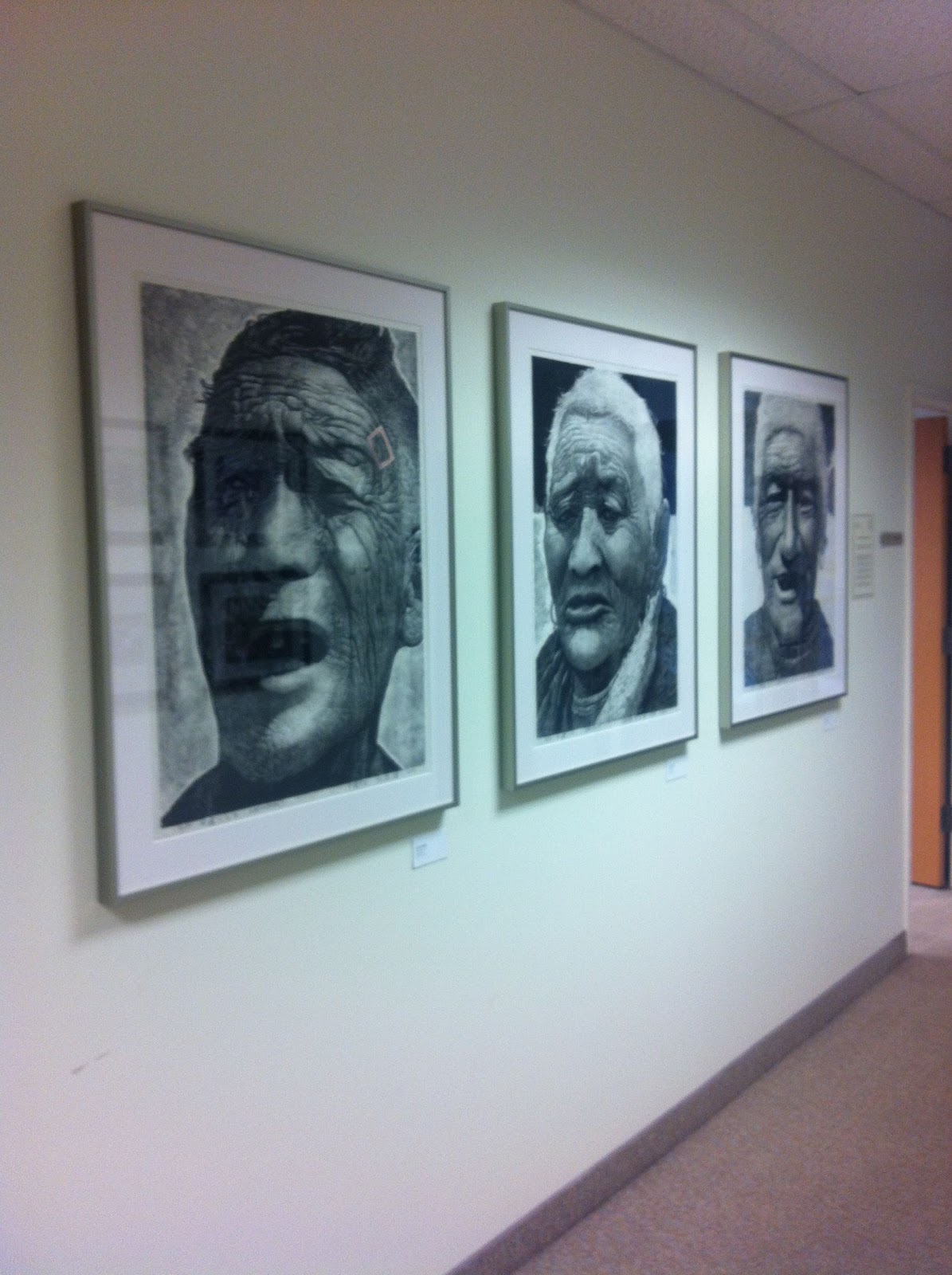
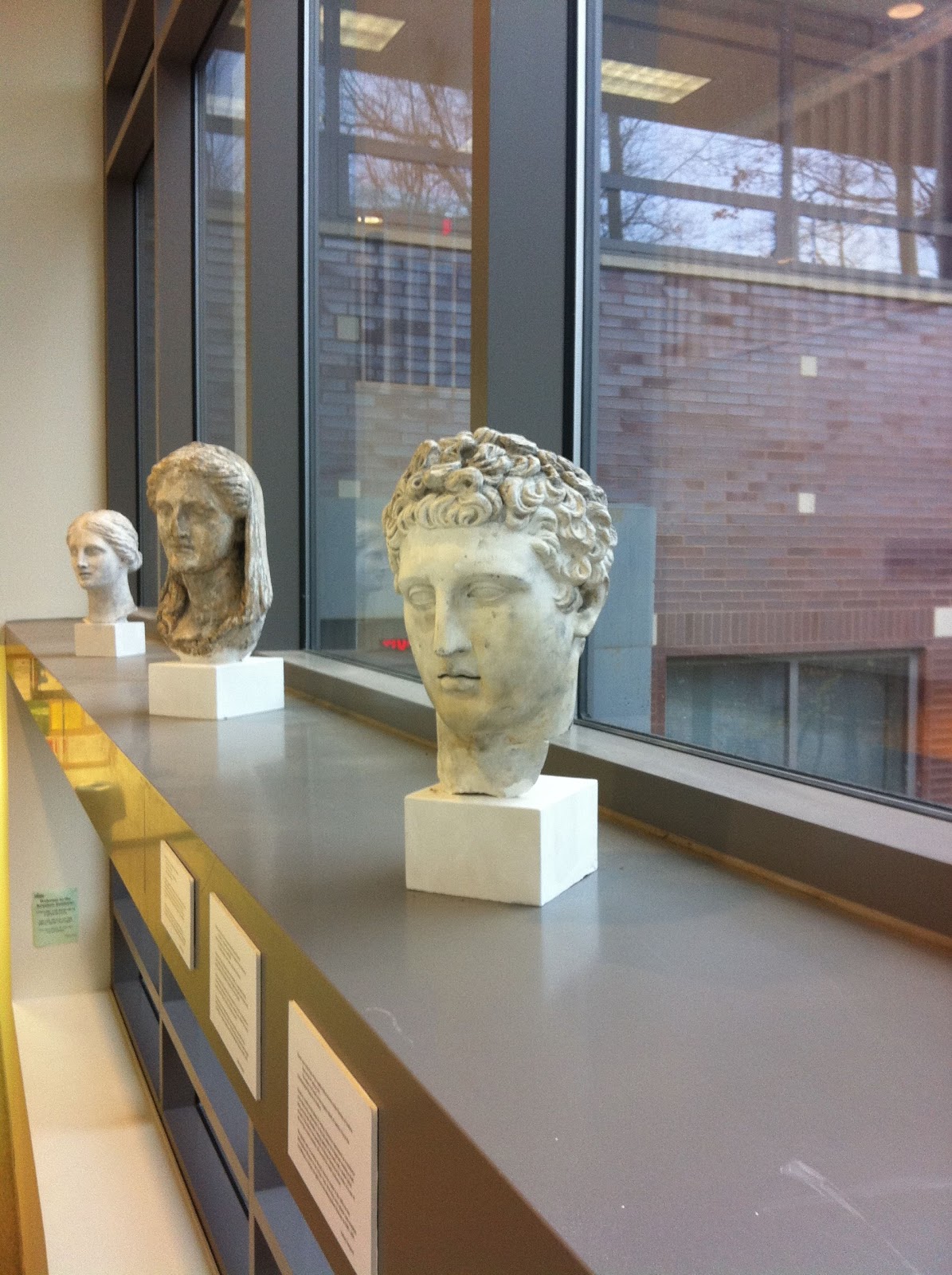
The latest additions to the Institute’s art exhibits…as part of an exchange between Mason and Sichuan Normal University in China. These wood cuts are the work of Professor Silou Xiang….

I am particularly struck by the way these human faces convey emotion, cognition and the process of aging…all relevant to the scientific programs of the Krasnow Institute for Advanced Study.

For those readers who visit the Washington DC area, please do come by and see these new works up close.
Looking towards 2012

As we close out 2011, I’m looking forward to an incredibly exciting 2012 for the Krasnow Institute for Advanced Study.  During the new year, we will be celebrating the 10th anniversary of our Center for Social Complexity this next year, one of the real gems in the Institute’s science portfolio. At the same time, we will be launching our unique symposium with the Santa Fe Institute on The Science of Complexity: Understanding the Global Financial Crisis. Finally, we will be welcoming a new University President, Angel Cabrera on July 1.

The Original Krasnow Board

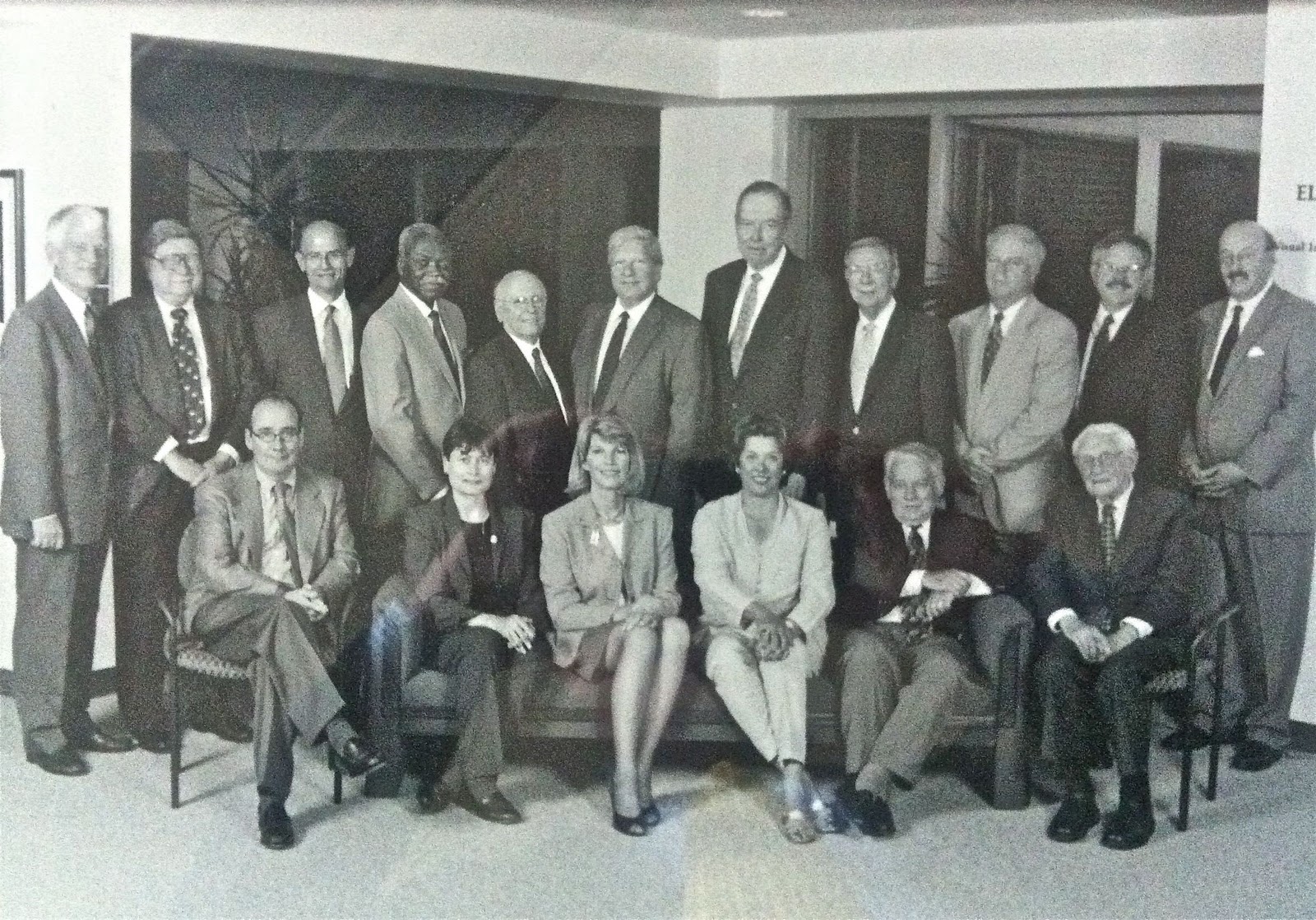
Amazing what an iPhone camera can do with a bit of editing. The photo is of the Institute’s governing board about the time of the turn of the century.

No, there were no iPhones at the time, but I did just take the picture of the photo because these were individuals who played a key role in the founding of the Institute.

Back Row (left to right): Alan Merten, Harold Morowitz, Bill Nitze, Ted Braithwaite, Mark Friedlander, Gene Samburg, George Johnson, Robert Gambino, Maurice Scherrens, John Burris and Tom Wise.

Front Row (left to right): myself, Katherine Wallman, Virginia Pomata, Patricia Kluge, Peter Stearns and Julius Axelrod.

Among those in the photo are: a Nobel laureate, three college presidents, a UN ambassador/RAF fighter pilot, three biologists, a psychiatrist, three political appointees, an author of over 100 books and a corporate CEO. Can you identify them?

Art at the Krasnow Institute continued….

Is art conducive to good science? I think so. There is something about artistic expression which intuitively hooks into the process of scientific creativity.

At some crucial point, a scientist takes a leap of faith, with a hypothesis, that sets up a trajectory of experiments, data gathering and assumed risk. To my mind, this isn’t so different from the gamble that an artist takes in conceptualizing a piece.

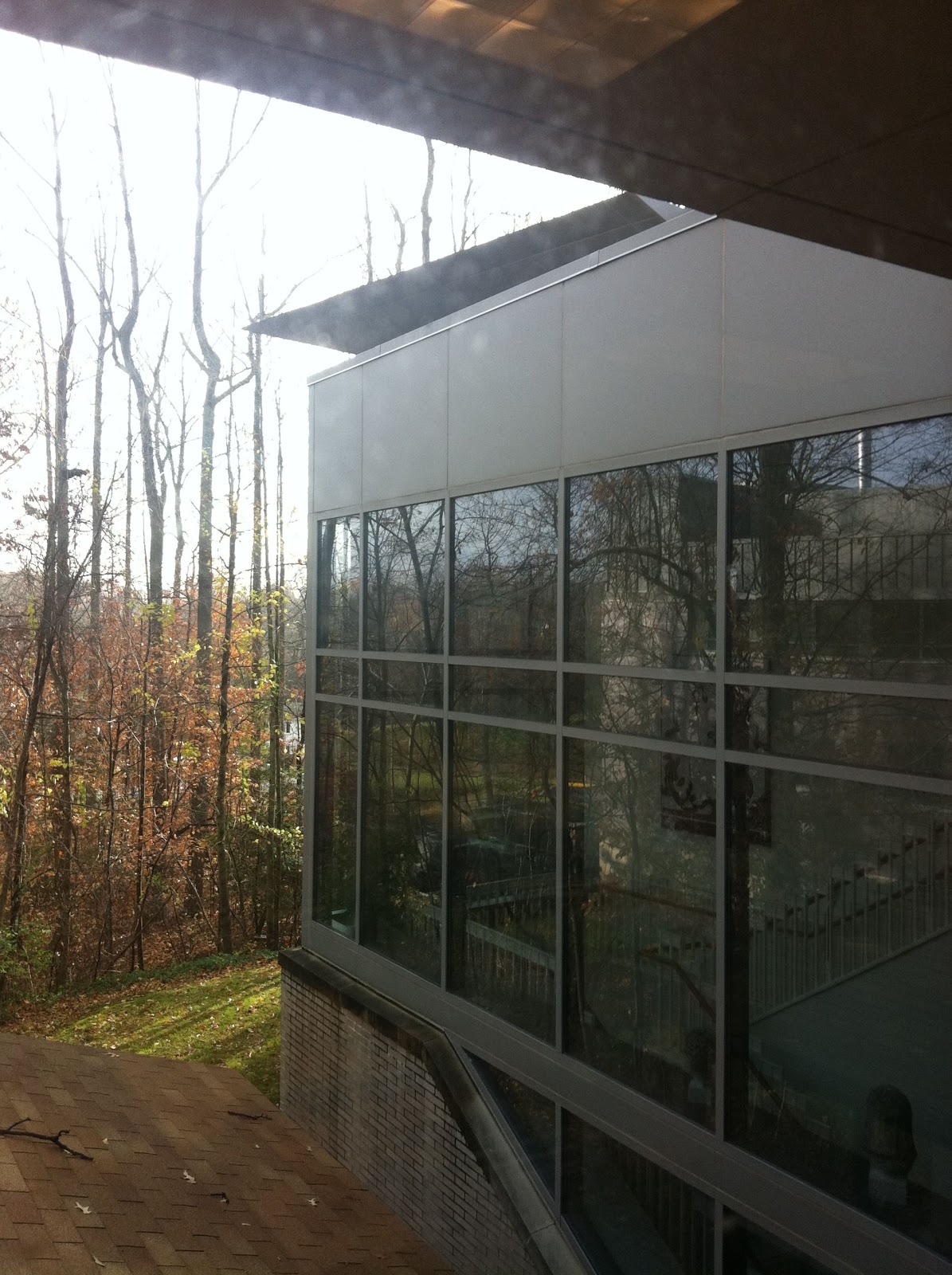
One of the nice aspects of the Krasnow Institute for Advanced Study is the interplay between natural beauty, science and art. Today the forest outside my office window is denuded of leaves; the trees look, of course, like neuronal dendrites.

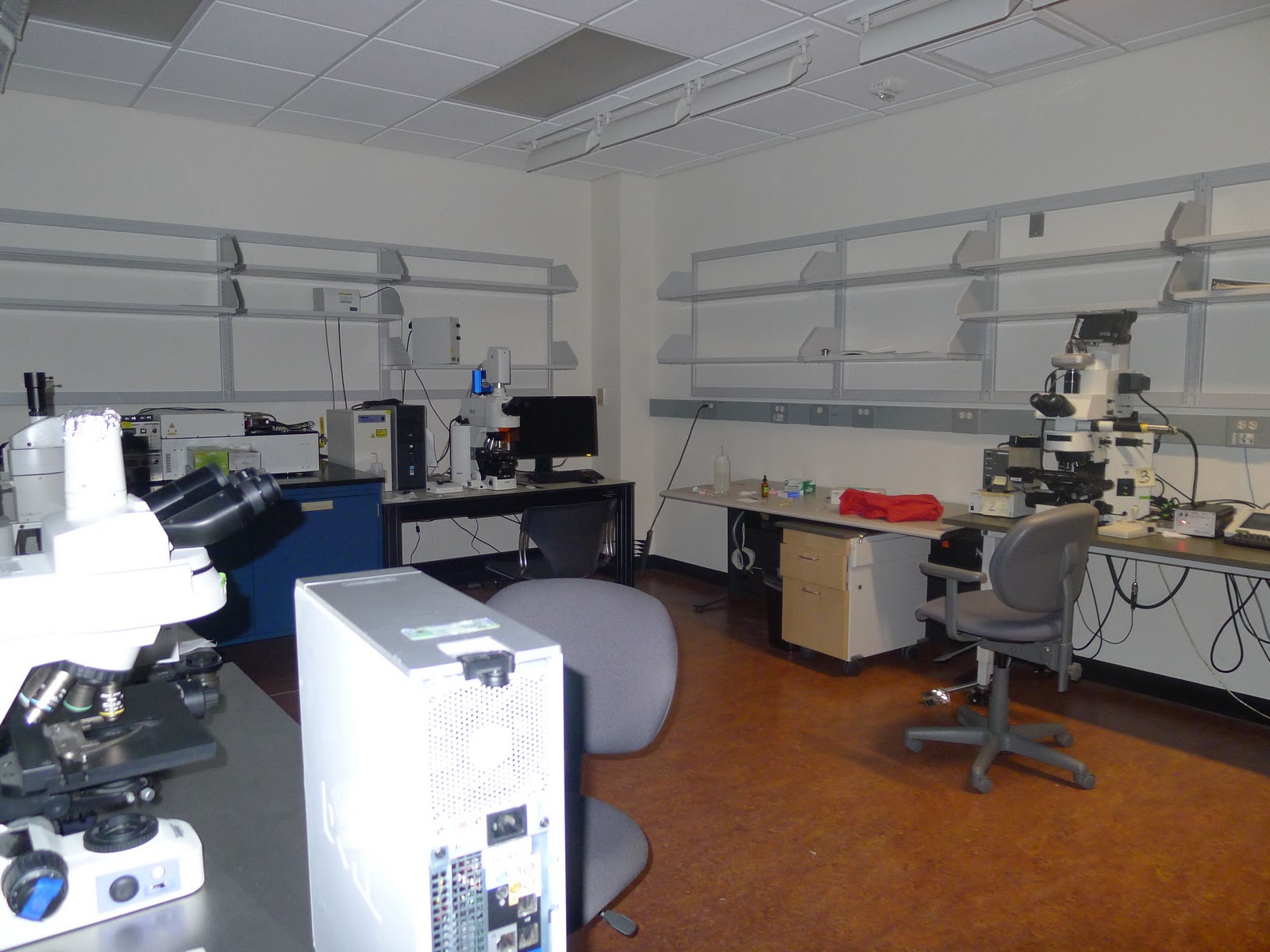
While inside our cellular imaging core, our researchers are imaging neuronal dendrites–real ones using confocal microscopy.

In the meantime, 20 km away in downtown DC, Krasnow PI Paul So’s Hamiltonian Gallery is an another example of how inspired physics (Paul is a professor in the Physics department here at Mason) and art can interplay off one another.

Thanksgiving week at Krasnow

The leaves are mostly off the trees as you can see.  It’s been strangely warm and some of the famous DC cherry trees are blooming out of presumed confusion. The Redskins have lost their six straight, this time to the hated Cowboys. And the Congressional Super-comittee seems headed for failure.

Amidst all of this, there is much to be thankful for: the Krasnow Institute is thriving. Our work is consequential, not incremental. Our trainees clearly enjoy doing science. And our faculty continue to amaze me.

George Mason, in contrast to many other research universities, continues to prosper, both as a growing center of excellence in scholarship, but also as a terrific place for learners and teachers alike.

And science writ large seems to be in rude health. From physics to neuroscience, really significant findings are making their way into publication. Last week’s paper in Nature on the reality of the quantum wave function is but an example.

Tomorrow, this blog goes on Holiday in honor of the Thanksgiving holiday here in the States. We wish all of our readers the very best and we’ll see you Saturday. Stay tuned…

MICKI–Microscopy Imaging Core of the Krasnow Institute

Just opened in our new space. Our cellular imaging core. The facility is already being used extensively by several of our neuroscience labs, but it’s available for other interested investigators in the Washington D.C. area and includes confocal microscopy.

Cellular imaging is a complement to our existing non-invasive human brain imaging capabilities here at Krasnow. In my own research, I’ve used confocal microscopy to image in vivo, the translocation of protein kinase C following sea urchin egg fertilization. Here at Krasnow, cellular imaging is used for a variety of neuroscience models ranging from drosophila (fruit fly) to mouse.

For those interested in using MICKI, please just drop me a line.